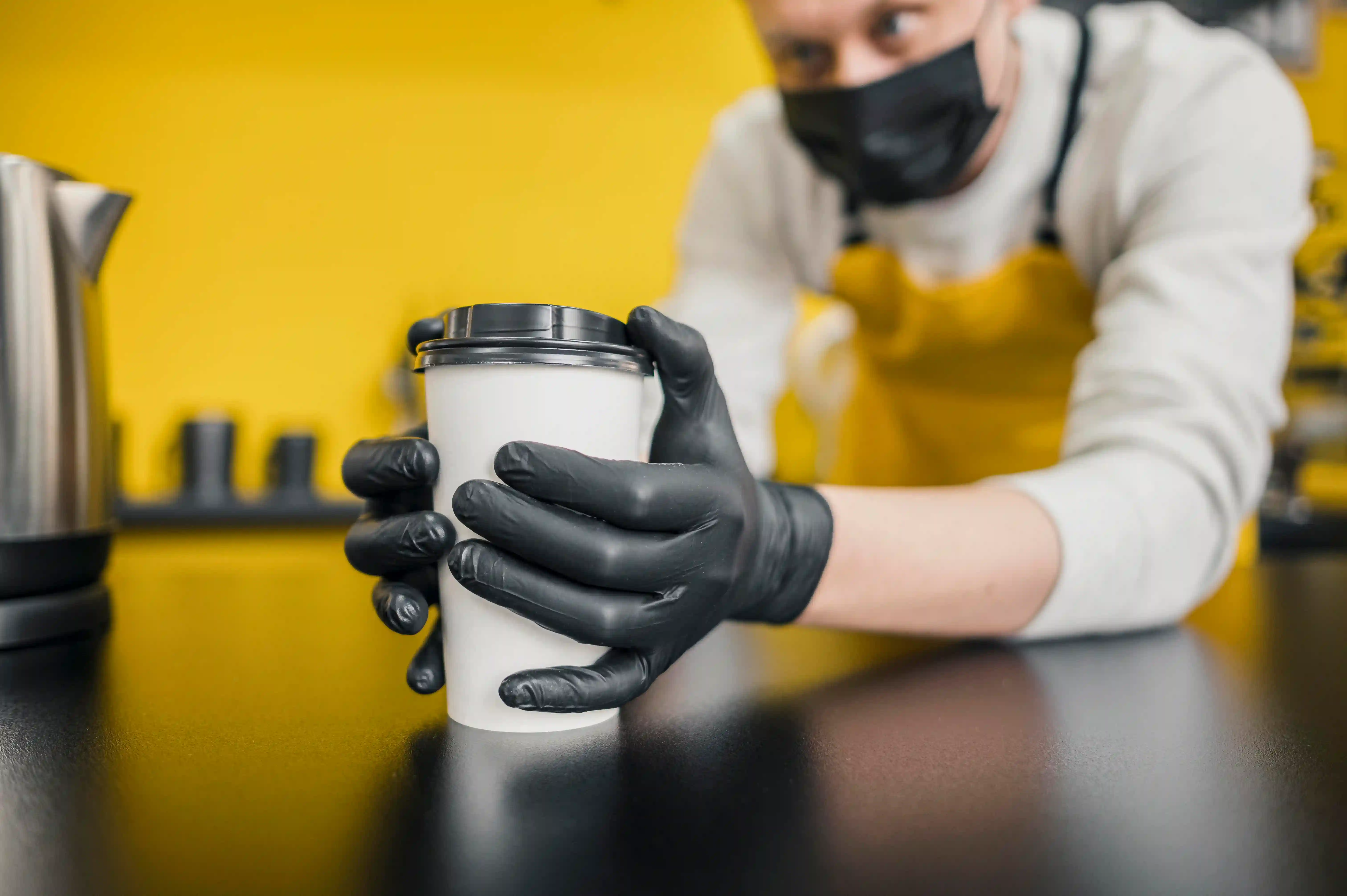
Delivery Packaging: Mistakes That Affect the Customer Experience
"The customer blames the restaurant, not the container. Avoid these common mistakes that damage your reputation in delivery."

Delivery is no longer a trend; it is a fundamental part of the modern Horeca business. And although many restaurants invest a lot of effort in the food, they still continue to make significant mistakes in packaging that directly affect the customer experience, reviews, and profitability.
Customers associate packaging with the quality of the business
When an order arrives crushed, leaking, damp, or poorly presented, the customer doesn't blame the container. They blame the restaurant. That's why packaging must be seen as part of the product.
Mistake 1: Using incorrect containers
One of the most common problems is using the same type of container for completely different products. Transporting sushi is not the same as transporting ramen or burgers. Each food needs specific ventilation, resistance, insulation, or a specific closure.
Mistake 2: Prioritizing only price
Seeking to reduce costs is logical, but packaging that is too cheap can lead to leaks, breakages, and a poor image. Often, the reputational cost ends up being much higher than the savings achieved.
Mistake 3: Ignoring the visual experience
The customer opens the order before tasting the food. Presentation matters a lot. Clean, consistent, and well-organized packaging conveys professionalism, hygiene, order, and trust.
Mistake 4: Not thinking about real logistics
Many restaurants design packaging thinking only about aesthetics. But delivery means transport, stacking, temperature, and long times. It is vital to work on solutions adapted to real use on the street.
Mistake 5: Generic packaging without identity
Each order is a branding opportunity. When all containers look the same, the brand disappears. In contrast, recognizable packaging helps a lot in building loyalty and reinforcing a premium perception.
Conclusion
In delivery, packaging is no longer a secondary detail. Small changes in materials, design, or structure generate huge improvements in perception and loyalty. Because quality is not just served; it is delivered.